
Summary: When a Bloated Stomach Isn’t Just Gas
Know when fullness becomes a medical concern!!! Is your body signalling something important?
Bloating is pretty common among adults in the U.S, as up to 30 percent report it frequently, but the majority consider it to be harmless. However, constant bloating, bloating every day, or a bloated stomach that is tight in the morning till the night is not something to normalize. You must look for the symptoms and visit a doctor immediately.
Introduction
According to the Cleveland Clinic, bloating now and then is normal. But when your bloating does not cease at all, and comes back very frequently, or comes with other symptoms, then your body is speaking to you.
When your stomach feels bloated and full almost every time you have a meal, then it is time to quit guessing.
Bloating interferes with your daily routine and hampers sleep. In case the pain is already a regular occurrence, book a medical evaluation and seek clarity, but not a temporary remedy! Check with a trusted healthcare center like QuickMD Care in McKinney, TX!
Abdominal Bloating and Stomach Bloating Explained
Understanding pressure, swelling, and tension
Abdominal bloating is the feeling of being filled, pressurized, or even swollen in the stomach. Stomach bloating usually presents itself as a tightness or stretching in the ribs.
Gas and bloating go hand in hand, and some report increasing bloating and gas throughout the day. The fullness occasionally occurs. However, there should be no disregard for chronic bloating.
CTA: When bloating seems to be predictable and chronic, do not wait for months. Timely diagnosis by the experts at QuickMD Care will ensure a quick recovery.
Bloating Causes and Gas and Bloating Causes in Adults
Common triggers hiding in plain sight
There are a lot of bloating causes in adults and broader gas and bloating causes.
- Excessive consumption of food: Swallowing of air leads to internal pressure.
- Carbonated beverages: Bubbles that are caught in the stomach inflate.
- Big serving sizes: When it is overfilled, digestion is slowed down.
- Refined foods: Fluid retention is caused by high intake of refined food.
- Irregular meal timing: It disturbs the regular gut rhythm.
Bloating after lunch or bloating after dinner are two of the major concerns owing to improper meal timing and overeating. However, frequent bloating after eating for over a week should be dealt with medically.
If the symptoms occur weekly, then you should not self-diagnose. Make sure to only talk to the medical professionals at a leading health center like QuickMD Care, McKinney, TX!
Food Intolerance Bloating: Lactose Intolerance Bloating and Gluten Sensitivity Bloating
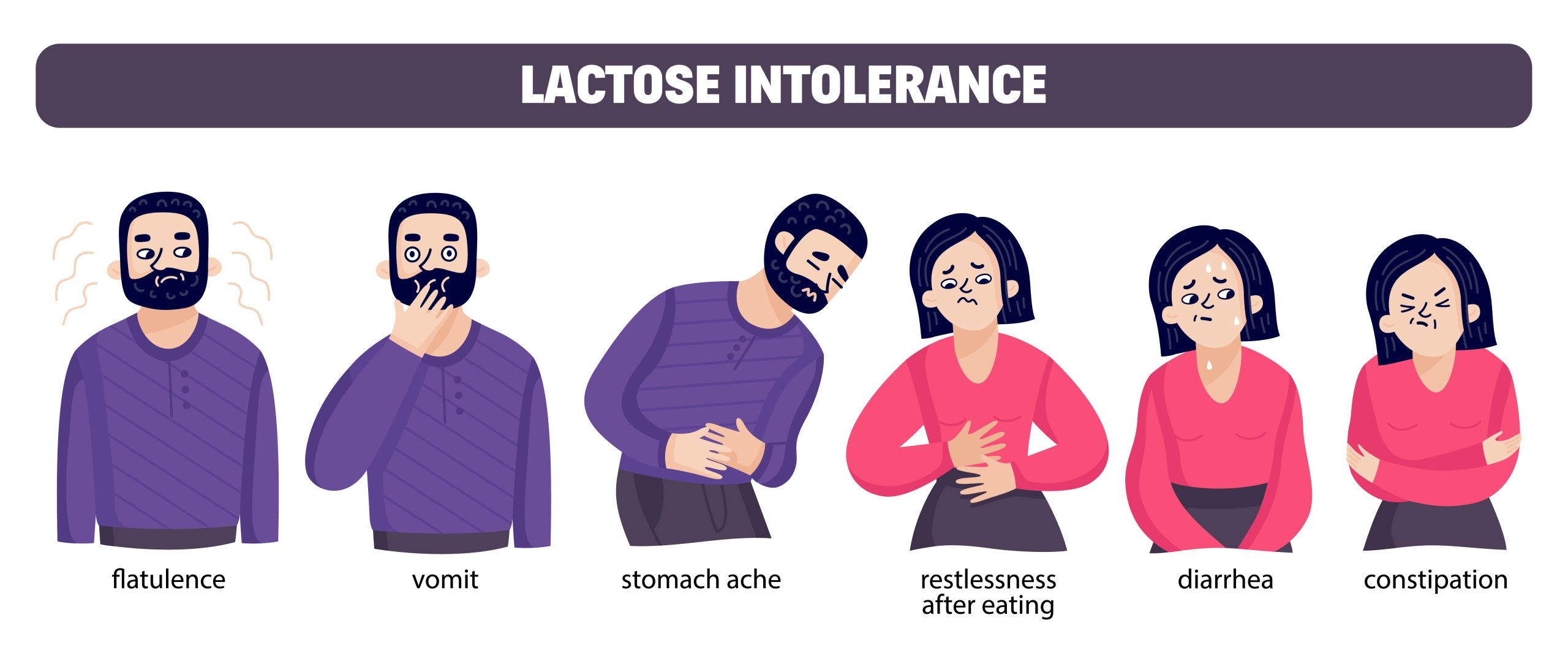
When food triggers digestive inflammation
Unrecognized food intolerance bloating is very prevalent.
- Lactose intolerance bloating: Fermentation of the dairy without the enzymes.
- Gluten sensitivity bloating: Gluten causes inflammation, which is caused by the immune system.
Intolerance testing can also give solutions in cases where you feel bloated after eating on a regular basis, as opposed to trial-and-error guessing.
Find triggers in a scientific manner, not through an endless case-free fad diet.
Common Myths About Bloating
Myth 1: Bloating is always caused by food intolerance.
- Reality: While food intolerances, like lactose or gluten, can cause bloating, it’s not always the cause. Stress, digestive issues, or even changes in your routine can also lead to bloating. A doctor can help determine what’s really going on.
Myth 2: Bloating is just gas, so it’s no big deal.
- Reality: Gas can cause temporary bloating, but if it’s happening frequently, it might be a sign of something more serious. Conditions like IBS or digestive disorders can cause chronic bloating, so it’s worth paying attention to.
Myth 3: If I feel bloated after every meal, it’s normal.
- Reality: It’s normal to feel a little bloated after a heavy meal, but bloating after every meal isn’t. It could be a sign that something isn’t right, like food intolerances or digestive issues. If this happens often, it’s time to speak to a doctor.
Myth 4: Over-the-counter medications will fix my bloating.
- Reality: Over-the-counter medications may offer short-term relief, but they don’t address the cause. If your bloating persists, it’s important to get to the root cause and have it treated properly.
Myth 5: If there’s no pain, bloating isn’t serious.
- Reality: Even if bloating isn’t painful, it can still be a symptom of something more serious, like digestive problems. It’s important not to ignore persistent bloating, even without pain.
Why You Shouldn’t Ignore These Myths
- Be Informed: Understanding the truth behind bloating myths helps you recognize when it’s something that needs medical attention. If you’re experiencing frequent bloating, it’s time to speak with a doctor who can help you figure out what’s really happening.
IBS Bloating and IBS Symptoms Bloating Patterns
Recognizing IBS vs food intolerance
One of the leading causes of unremitting discomfort is IBS bloating. The common IBS symptoms bloating patterns are:
- Recurring abdominal pain: Greater duration: three months.
- Bloating and constipation: Alternating bowel movement pattern.
- Bloating and diarrhea: Diuresis post prandial acutum.
- Relief after bowel movement: Temporary reduction of pressure.
- Stress-triggered symptoms: Gut-brain relation is activated.
The difference between IBS vs food intolerance is something that needs to be assessed – the symptoms are too close to each other.
When the symptoms are inconsistently cyclical, it is important to have a structured diagnosis. QuickMD Care offers appointments for gastrointestinal evaluation to identify the real causes!
SIBO Bloating, Gastritis Bloating, Acid Reflux Bloating and GERD Bloating
Some illnesses may cause persistent intestinal pain.
- SIBO bloating: Undigested food is fermented by too many bacteria.
- Gastritis bloating: Puffy stomach lining entraps gas.
- Acid reflux bloating: The air that is swallowed is internalized.
- GERD bloating: Vomiting that occurs over a long period of time interferes with digestion.
- Gallbladder bloating issues: Upper abdominal pressure is caused by gallstones.
In case of no effect of diet changes, the next step is the logical one: testing. Visit QuickMD Care for a quick test!
Bloating After Every Meal and Bloating Comes and Goes
Patterns that signal deeper issues
Sometimes complete fullness usually happens. However, bloating after every meal is not a common thing.
- Bloating for a week: The symptoms continue even after the digestion is normal.
- Bloating for two weeks: Patterns emerging as clinically significant.
- Bloating for a month: There is a high suspicion of a chronic condition.
- Bloating comes and goes: Intermittent but recurrent pain.
Healthline observes that when bloating disrupts normal daily activities, it is something that should be addressed by the medical practitioner.
CTA: The more you procrastinate, the more difficult treatment will be. Act early.
Bloating and Stomach Pain or Abdominal Pain and Bloating
Pain transforms discomfort into a warning!
Mild fullness differs from pain. Possible indications of inflammation or obstruction include bloating and stomach pain or abdominal pain and bloating.
- Cramping with pressure: Irritable muscles.
- Sharp localized pain: Potential structural anomaly.
- Severe bloating and pain: Emergency treatment needed.
Pain is not something to follow up on loosely.
When pressure is painful, emergency treatment needs to be requested. Your adult annual physical exam at Quick MD Care is the ideal opportunity to check up on persistent bloating.
Bloating with Nausea, Bloating and Vomiting, and Bloating and Fever
Emergency digestive symptom combinations
These combinations require attention:
- Bloating with nausea: Digestive system under stress
- Bloating and vomiting: Possible obstruction developing
- Bloating and fever: Infection or inflammation suspected
Do not dismiss these symptoms.
If these occur together, seek emergency care without delay.
What Symptoms You Should Not Ignore
Red-flag combinations you must not ignore
Bloating and weight loss are some of the most alarming symptom combinations.
- Inflation and decreased weight: Potential tumor or malnutrition.
- Bloating and loss of appetite: The digestive system is seriously impaired.
- Bloating and fatigue: Suspection of anemia or systemic disease.
- Bloating and blood in stool: Gastrointestinal blood loss potential.
- Bloating and shortness of breath: Fluid retention threat.
Abnormal weight change needs to be investigated immediately.
These are not “wait and see” symptoms. Schedule immediate evaluation at QuickMD Care, McKinney, TX
Persistent Bloating and Chronic Bloating: What Doctors Evaluate
The diagnostic process that provides answers
When persistent bloating continues and your bloating won’t go away, evaluation may include:
- Comprehensive medical history: Identifying pattern and duration
- Physical abdominal exam: Checking tenderness and distension
- Blood testing panels: Thyroid, inflammation, anemia markers
- Breath tests: Detecting SIBO bloating presence
- Imaging scans: Identifying structural abnormalities
The goal is uncovering true bloating causes, not masking discomfort.
Proper diagnosis changes everything. Don’t delay clarity. The professionals at QuickMD will help you with it!
What Lifestyle Changes to Make
These lifestyle changes should help you feel better, although you are about to visit a doctor:
- Slow down on food– eat it slowly and carefully chew.
- Record a food diary— record what you were eating and how you felt after eating.
- Eat less carbonated beverages and chewing gum– big air-swallers.
- Postprandial walks are better– even a 10-minute walk can be helpful to motility.
- Proper Diet– low-FODMAP diet can help, but talk to your doctor.
- Keep Hydrated – constipation-related bloating is aggravated by dehydration.
- Eat Enough– eating irregularly interrupts gut rhythm.
- Manage Stress– practice deep breathing, yoga, or meditation.
These ideas can be used to deal with mild and intermittent bloating. However, when you have constant bloating or excessive bloating and pain, they are a band-aid but not a cure.
The Bottom Line on Constant Bloating
Constant bloating is not normal. Gas and bloating, or bloating after eating, should be reported to a medical practitioner if it persists beyond a week. Also, there may be worrying signs such as bloating and weight loss. Do understand that your body is talking.
Listen to it! Don’t normalize discomfort!
No need to continue searching and searching on the internet!!
Remember: Waiting till the symptoms get worse is not an option.
Book a professional medical appointment at QuickMD Care, McKinney, TX, and control your digestive system.
FAQs
- Is bloating every day normal?
No. It may be an indication of IBS, intolerance, or digestive disorders and health conditions. Consult a doctor soon.
- What are the common causes of bloating in adults?
The most common causes of bloating among adults include:
- hormonal changes
- some medications
- SIBO
- constipation
- reflux
- food intolerance
- IBS
- Which symptoms call for a visit to the ER?
Visit the ER when you face:
- severe pain
- vomiting
- fever
- blood in stool
- difficulty breathing
- loss of weight
- Is stress and anxiety a cause of bloating?
Yes, stress disrupts gut mobility and the balance of microbiomes. This increases the level of gas produced and makes the symptoms of IBS-related bloating worse.
- What tests are performed by the physician on chronic bloating?
Depending on the symptoms, the doctors might order a blood test, stool studies, breath tests, imaging tests, thyroid panel, or endoscopy.
Related Health Guides from QuickMD Care
Best School Physicals in McKinney, TX: Your Complete Guide:
https://www.quickmdcare.com/best-school-physicals-in-mckinney-tx-your-complete-guide/
Top 10 Budget-Friendly Protein Foods for Toddlers: Dietary Consult in McKinney, TX:
https://www.quickmdcare.com/top-10-budget-friendly-protein-foods-for-toddlers-dietary-consult-in-mckinney-tx/
Why Prenatal Visits Near McKinney, TX Are a Lifeline for Expecting Moms:
https://www.quickmdcare.com/why-prenatal-visits-near-mckinney-tx-are-a-lifeline-for-expecting-moms/
Well Child Care: Why Regular Checkups Matter for Your Child’s Health:
https://www.quickmdcare.com/well-child-care/
 10101 Westridge Blvd, Suite 101
 Phone: 972-645-9400
 Website: quickmdcare.com