Intro
Measles was supposed to be a thing of the past in this country. It is not. Not anymore.
By mid April, the CDC had already logged 1,748 confirmed measles cases in 2026, and the year is not even half over. Last year saw the highest annual total since 1992. This year is already high enough that the question is back in everyday life for families and adults who thought this was settled. Here is the part that gets overlooked in the headlines: roughly 92% of people getting infected in 2026 were either unvaccinated or had unknown vaccination status. That is not a small gap. That is most of the outbreak. (CDC)
So if you are an adult who has been meaning to check your shot records but never got around to it, or a parent whose child missed a dose somewhere between a move, a sick week, and a lost paper card, this one is for you. The MMR vaccine conversation in 2026 is not about panic. It is about getting the basics sorted before the next exposure, school requirement, or travel plan catches you off guard.
The Short Version (For People Who Scroll)
The measles mumps rubella vaccine protects against three diseases that used to seriously hurt American kids. Two doses are about 97% effective against measles.
Missed a dose? That is fine. You do not restart. Adults and kids who need catch up can usually pick up where they left off, no matter how much time has passed. For children, the standard series is two doses. For adults, the answer depends on age, risk, and whether there is written proof of immunity or prior vaccination. Most people who are overdue can get the answer quickly once a clinic reviews their records. (CDC)
The Part Where You Are Probably Stuck
Nobody plans to fall behind. It just happens.
A move to a new state. A pediatrician who retired. A year where everything was chaos and the 4 year well visit got pushed, then forgotten. An adult who is pretty sure they got their shots in the 1980s but cannot find anything in writing. A college student whose records never made it from high school.
And then something triggers the question, a school form, a travel plan, a news story about measles showing up a county over, and suddenly you are wondering: am I actually protected? Is my child?
For adults, lost vaccination records are the big one. Paper cards from the 1970s, pediatric offices that closed years ago, state systems that did not talk to each other. For parents, it is usually a missed MMR vaccine dose, the 12 month one or the pre kindergarten one, that slipped through the cracks.
None of this is unusual. Clinics see it every single day. The fix is almost always simpler than people expect.
So What Is the MMR Vaccine, Exactly?
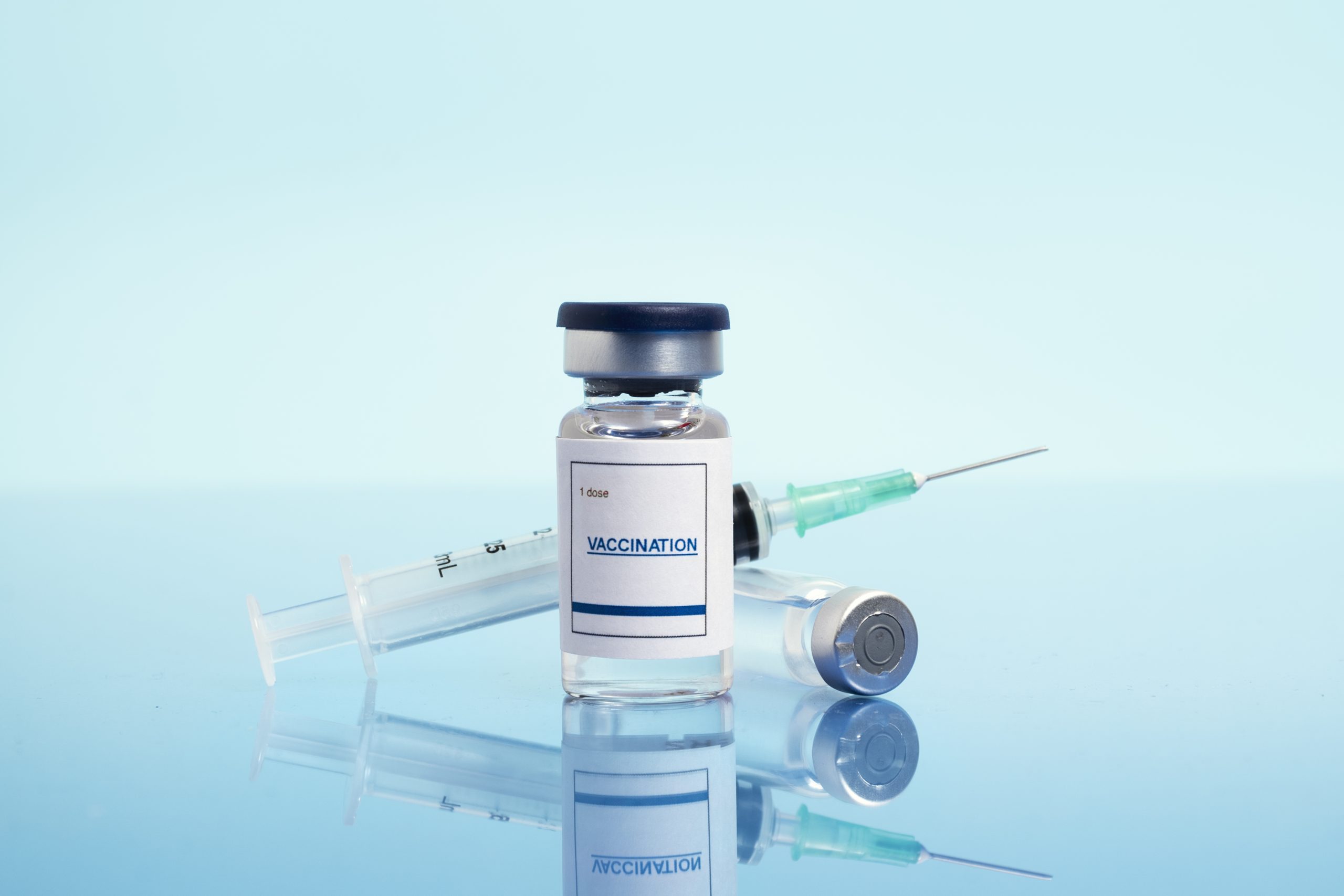
It is one shot, three diseases. Measles, mumps, rubella, all in a single injection, usually given in the arm or thigh.
The vaccine has been around since 1971, which means there are more than five decades of real world data behind it. It uses live, weakened versions of each virus, enough for the immune system to build lasting protection without causing the diseases themselves.
What it prevents is worth spelling out, because most people under 50 have never actually seen these diseases:
Measles, highly contagious, starts with fever and a rash, but can turn into pneumonia, brain swelling, or death. It can also weaken immune memory for other infections.
Mumps, swollen glands, fever, and in some cases hearing loss or fertility complications later on.
Rubella, usually milder in many adults, but devastating if caught during pregnancy. It can lead to miscarriage or serious birth defects.
There is also the MMRV, which adds chickenpox to the mix. That version is used in children 12 months through 12 years of age. Adults get straight MMR. (CDC)
Why This Matters More Than It Did Five Years Ago
Short answer: the wall came down.
Kindergarten MMR coverage dropped from 95.2% in 2019 to 2020 to 92.7% in 2023 to 2024, and CDC later reported 92.5% for 2024 to 2025. That sounds small. It is not. The 95% level is the benchmark usually associated with strong community protection against measles spread. Below that, outbreaks do not stay small as easily once measles arrives. (CDC)
Look at what has happened across multiple states. Large outbreaks in places like Texas and other parts of the country show how quickly measles can spread when coverage slips and exposure reaches under vaccinated communities. That is why this matters more now than it did a few years ago. (CDC)
Who gets hit hardest when this happens:
Babies under 12 months, too young for their first routine dose, completely dependent on the people around them being immune.
Pregnant women without rubella immunity, where the consequences for the baby can be severe.
Adults who never finished the series, because measles is often harder on adults than on kids.
People who cannot be vaccinated, including some cancer patients, transplant recipients, and others who are immunocompromised. They rely entirely on the immunity of the people around them.
Staying on the adult immunization schedule, or getting current on the child vaccination schedule, is not just about your own family anymore. It helps protect the people around you too.
For Kids: What the Schedule Looks Like, and What to Do If You Are Behind
The standard MMR vaccine schedule for children is two doses:
First dose, 12 to 15 months old.
Second dose, 4 to 6 years old, usually lined up with kindergarten.
During an outbreak or before international travel, doctors sometimes give babies as young as 6 through 11 months an early dose. That one counts as extra protection, but it does not replace either of the routine two doses after the first birthday. The child still needs both later.
What happens if my child missed the MMR vaccine? Honestly, not much, as long as you get it sorted. The CDC catch up schedule says a first dose can happen any time after 12 months, and the second dose just needs to come at least 28 days after the first if a catch up series is needed. That is it. No starting over. No extra shots because of the delay.
Can children get catch up vaccines if doses were delayed? Every day, in every pediatric office, across the country. Most kids get fully caught up in one or two visits. If you are in North Texas and trying to untangle what your child actually needs, QuickMD Care’s pediatric care team in McKinney deals with this constantly. Bring whatever records you have, or do not have, and they can help sort it out. (CDC)
For Adults: The Part Most People Get Wrong
Here is the thing adults assume: I probably got it as a kid, so I am probably fine.
Probably is not proof. And during an outbreak year, probably is not always enough.
The CDC says most adults born in or after 1957 should have at least one documented MMR dose or other acceptable evidence of immunity. Some adults need two documented doses, especially healthcare personnel, international travelers, and students at post high school educational institutions. Women of childbearing age should also make sure rubella immunity is properly documented before pregnancy planning. (CDC)
When should adults get the MMR vaccine? Before anything on that higher risk list above, ideally. Or the moment an outbreak pops up near you and your records are uncertain. For adults who need two doses, the doses are spaced at least 28 days apart, and the series can usually be completed in a month.
Can adults get the MMR vaccine even if they might have had it before? Yes. CDC notes there is no harm in getting another dose if you may already be immune. If records are missing, many providers vaccinate rather than delay care. In some cases, a titer may be discussed, but for many adults the fastest path forward is simply getting documented and protected. (CDC)
The Catch Up Checklist (For Adults and Parents Both)
Nothing fancy here. Just what actually needs to happen:
Dig through what you have. Old immunization cards, baby books, school forms, college health records, military paperwork. Anything dated.
Call old providers. Pediatricians and college health centers often keep records longer than people expect.
Check your state registry. Most states have immunization information systems. Texas has ImmTrac2, and DSHS maintains it as the state immunization registry. It may have doses on file that you do not remember. (dshs.texas.gov)
Book an appointment. Bring whatever you found. The provider can read between the lines of partial records.
Ask whether a titer makes sense if you are an adult with unusual documentation questions. For many people, the provider may simply recommend vaccination instead of more paperwork.
Get the shot. Twenty minutes, usually.
Save the new record two ways. Printed card in a safe spot, phone photo in your files, and added to your state registry when possible.
Parents, one extra: confirm your school or daycare’s current immunization requirements. Texas requirements can change over time, and what was fine a couple of years ago may not be fine now. (dshs.texas.gov)
Things People Get Wrong About the MMR
Some of these come up in almost every appointment:
“If I missed a dose, I have to start the whole series over.” No. The immune system does not reset. You pick up wherever you left off.
“The MMR causes autism.” It does not. That claim traces back to a 1998 paper that was later retracted. CDC and other large reviews have found no association between MMR vaccination and autism.
“I am too old for this.” You are not. Measles and mumps can be worse in adults. An adult catch up dose is routine when it is indicated.
“Natural immunity is better.” Natural measles can lead to severe complications, including brain inflammation. The vaccine gives protection without that disease risk.
“Are catch up vaccines safe?” Yes. Same vaccine, same safety data, regardless of when the doses are given. MMR has been used for decades, and CDC notes that serious problems are uncommon.
“One dose is enough.” One dose is about 93% effective against measles. Two doses raise protection to about 97%. In an outbreak year, that extra protection matters.
When to Stop Waiting
Some situations really should not wait a few weeks:
A measles case has been reported in your county, school, or workplace.
International travel is coming up in the next 1 to 6 months.
There is a baby in the household under 12 months.
You are planning a pregnancy and do not have rubella immunity documented.
Your child is about to start daycare, kindergarten, or college.
You had a possible measles exposure, call the same day. A post exposure MMR dose can still help if given within 72 hours. Immune globulin can be considered up to six days after exposure for certain higher risk people.
For anyone overdue on vaccines, most clinics, including walk in and same day vaccine appointments at local immunization clinics, can get you in quickly. The hesitation is almost never worth it.
How QuickMD Care Fits In
If you are in McKinney, Frisco, Allen, or Plano and trying to figure out where to go for this, QuickMD Care is set up specifically for it, an adult and child vaccine clinic under one roof, which matters more than it sounds like it does when you are juggling a kid’s shots and your own at the same time.
A few things that tend to make this easier there:
Parents and kids on the same visit. One trip, everyone gets caught up.
Record review is part of the appointment. Bring what you have, even if it is a mess.
Same day and weekend slots. Travel deadlines and outbreak exposures do not wait.
Tied to regular preventive care. Annual physicals and missed vaccines in one go, and many adults leave with both checked off.
Guideline based. Every recommendation follows current CDC and routine U.S. immunization standards.
Questions People Actually Ask
What is the MMR vaccine, and how is it different from MMRV? MMR covers measles, mumps, and rubella. MMRV adds varicella, or chickenpox, and is only used for kids aged 12 months to 12 years. Adults get MMR.
Who needs the MMR vaccine? Basically all kids through the routine schedule, most adults born in or after 1957 without proof of immunity, and anyone in a higher risk group such as healthcare, college housing, international travel, or pregnancy planning.
Can adults get the MMR vaccine if they are not sure whether they got it as a child? Yes. It is safe to receive another dose even if you already had one. Many providers would rather vaccinate than send someone on a long records hunt.
How many doses of MMR are needed? Two for children and for adults in certain higher risk groups, with doses at least 28 days apart when two are indicated. Many other adults only need one documented dose or other evidence of immunity.
Are catch up vaccines safe? Yes. The timing does not change the safety profile. The vaccine works the same whether you are on schedule or years behind.
What happens if I miss the MMR vaccine as an adult? You get caught up based on your risk and documentation. Some adults need one dose. Some need two. A clinic can usually sort that out quickly.
What should I do after a possible measles exposure? Call a provider the same day. An MMR dose within 72 hours can still help prevent illness, and immune globulin can be an option up to six days out for certain higher risk people.
Does insurance cover catch up vaccines? Most health plans cover recommended preventive immunizations at no cost when delivered by an in network provider, although plan details can vary. For eligible children, the Vaccines for Children program provides recommended vaccines at no cost through enrolled providers. (HealthCare.gov)
Who Said What
The guidance in this piece comes from major public health and pediatric vaccine standards, especially CDC based measles and MMR guidance, not from social media threads and not from opinions.
The MMR vaccine has more than 50 years of post licensure safety data. CDC’s vaccine safety reviews continue to state that MMR is safer than getting measles, mumps, or rubella, and the broader medical evidence does not support a link between MMR and autism. Any medically reviewed vaccine advice worth acting on should come from a board certified provider following current immunization recommendations. That is the bar. (CDC)
If You Are Ready to Just Get It Done
Falling behind on shots is common. Staying behind is not necessary.
Call QuickMD Care in McKinney at 972 645 9400 or schedule a vaccine consultation online, whether it is for a toddler, an adult, a pre travel dose, or the whole family at once.
Not sure what you need? Start there anyway. Bring whatever records you can find, and the team will figure out the rest.
More From QuickMD Care
Primary care and wellness exams in McKinney, Primary Care Services
Pediatric checkups, immunizations, and sick visits, Pediatric Care
Full clinic services, Services Overview
Best School Physicals in McKinney, TX: Your Complete Guide:
https://www.quickmdcare.com/best-school-physicals-in-mckinney-tx-your-complete-guide/
Top 10 Budget-Friendly Protein Foods for Toddlers: Dietary Consult in McKinney, TX:
https://www.quickmdcare.com/top-10-budget-friendly-protein-foods-for-toddlers-dietary-consult-in-mckinney-tx/
Why Prenatal Visits Near McKinney, TX Are a Lifeline for Expecting Moms:
https://www.quickmdcare.com/why-prenatal-visits-near-mckinney-tx-are-a-lifeline-for-expecting-moms/
Well Child Care: Why Regular Checkups Matter for Your Child’s Health:
https://www.quickmdcare.com/well-child-care/
10 Iron-Rich Foods for Adults in 2026: Boost Your Energy and Health: https://www.quickmdcare.com/10-iron-rich-foods-for-adults-in-2026-boost-your-energy-and-health/
AAP Releases its Recommended 2026 Childhood and Adolescent Immunization Schedule – Don’t Miss:
Bottom Line
The MMR vaccine is still one of the safest and most effective tools in medicine, and in 2026, with measles cases rising again, it matters more than it has in a long time. Whether you are an adult who cannot locate old records or a parent whose child missed a shot somewhere along the way, catch up vaccination is usually straightforward and often completed quickly once a clinic reviews your records and your risk.
A missing shot does not have to turn into a preventable illness. The team at QuickMD Care in McKinney can help sort it out, at any age, with whatever records you do or do not have. Book an appointment and get it handled.
About QuickMD Care
QuickMD Care offers family-focused treatment, including highly qualified services in both pediatrics and adults under a single, well-equipped and patient-friendly clinic. The team provides patients with timely care in the most compassionate manner, including basic checkups and addressing unexpected issues. When families are seeking a reliable primary care physician McKinney or quick urgent care pediatrics McKinney, TX, they will find the quality and convenience of QuickMD Primary Care.
 10101 Westridge Blvd, Suite 101
McKinney, TX 75070
 Phone: 972-645-9400
 Website: quickmdcare.com Quick MD Care