Intro
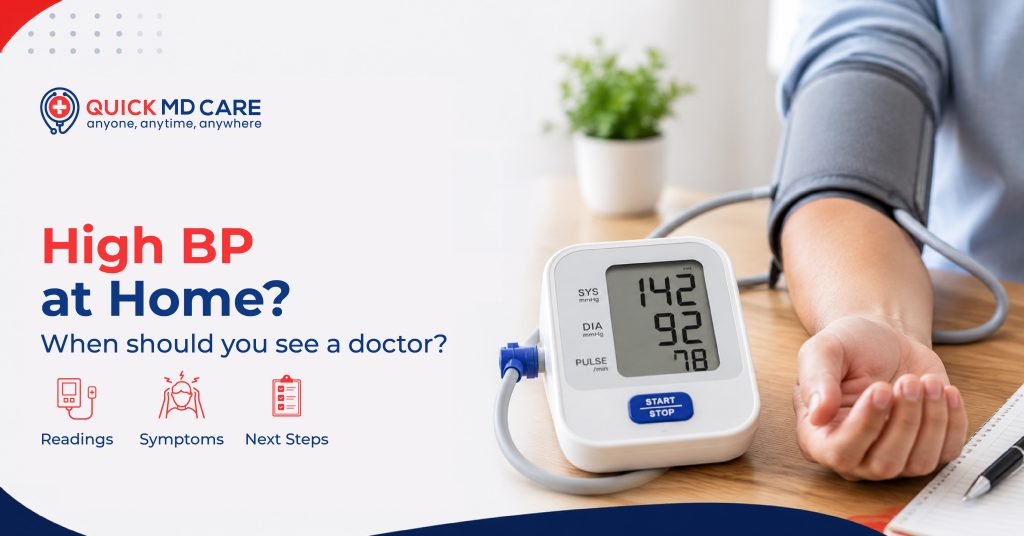
Have you bought the cuff off Amazon? Have you been checking your pressure every morning like the doctor suggested? And now the numbers are creeping up like 138 one day, 142 the next, once even a scary 156. And you’re staring at the screen thinking, okay, but at what point do I actually need to call someone?
You’re not alone in wondering. The CDC reports that nearly half of U.S. adults, around 119.9 million have high blood pressure. And here’s the more uncomfortable number: only about 1 in 4 have it actually under control. In 2024 alone, high blood pressure was a primary or contributing cause of more than 680,000 deaths in the U.S.
It’s called the silent killer for a reason. Most people don’t feel a thing, right up until the moment they do and by then it’s usually chest pain, a stroke, or a kidney problem doing the talking.
The good news: home monitoring, done right, is one of the best early-warning tools available. The trick is knowing which readings are normal, which are worth a phone call, and which mean put the cuff down and get to a doctor now.
The Short Version
- Normal: Under 120/80.
- Elevated: 120-129 systolic, under 80 diastolic. Time to pay attention.
- Stage 1: 130-139 systolic OR 80-89 diastolic. Talk to a primary care doctor.
- Stage 2: 140+ / 90+. Definitely needs medical attention.
- Crisis:Severe hypertension: Higher than 180 and/or 120
Well, that’s the frame. Everything below is what to do about it.
Why This Matters More Than Most People Realize
High blood pressure doesn’t announce itself and that’s the whole problem.
According to CDC data, about 1 in 6 adults with high blood pressure doesn’t even know they have it. Others know but haven’t started treatment. Others are on medication that isn’t working well enough. Meanwhile, the pressure quietly damages arteries, strains the heart, wears on the kidneys, and sets up strokes years before they happen.
By age 60+, more than 71% of adults have hypertension. And, it’s not rare, it’s the default risk unless you’re actively managing it.
Home monitoring changes the game because it catches things the clinic misses. A single reading at a doctor’s office is a snapshot. Days or weeks of home readings show the actual pattern – the mornings that run high, the evenings that spike after stress, the number that keeps creeping up month over month.
That’s the information that changes treatment decisions. And it’s the information that tells you when it’s time to stop tracking and start talking to a provider.
What Counts as High: The Actual Numbers
The current American Heart Association / American College of Cardiology guidelines break blood pressure into these categories:
- Normal – Less than 120/80 mm Hg.
- Elevated – Systolic 120-129 AND diastolic under 80.
- Stage 1 Hypertension – Systolic 130-139 OR diastolic 80-89.
- Stage 2 Hypertension – Systolic 140+ OR diastolic 90+.
- Hypertensive Crisis – Systolic over 180 AND/OR diastolic over 120. Medical emergency.
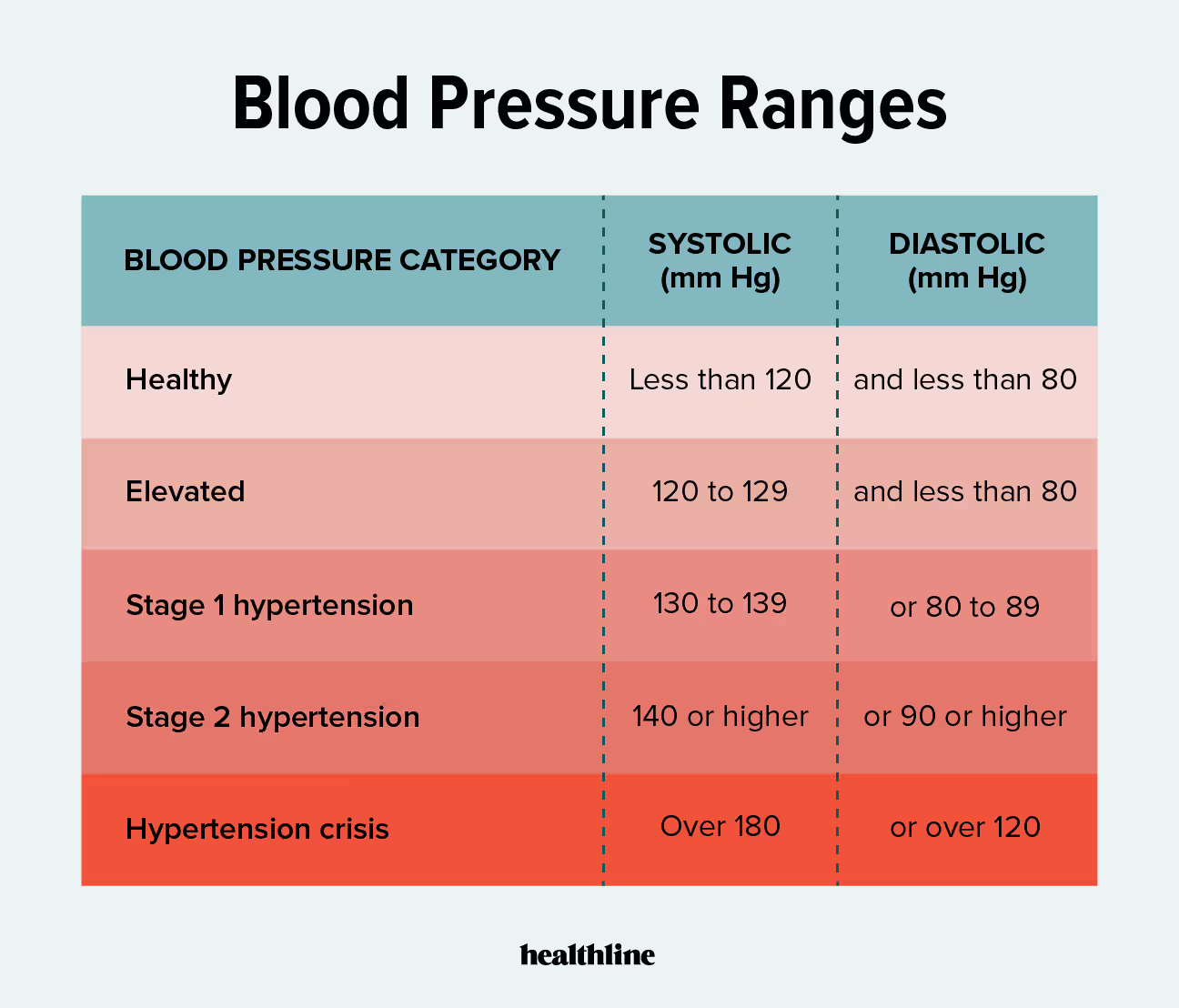
A normal blood pressure range for most adults is 90-120 over 60-80. Anything consistently outside that window matters – even without symptoms.
A quick note on the systolic-vs-diastolic thing. The top number (systolic) is the pressure when the heart is pumping. The bottom (diastolic) is when it’s resting between beats. Either being too high is a problem. Both being high is a bigger problem.
Reading the Common In-Between Numbers
Some numbers show up on people’s home monitors again and again. What do they actually mean?
- Blood pressure 140 over 90. Stage 2 hypertension. If you’re seeing this regularly, it’s time to see a primary care doctor – not urgently, but soon. Lifestyle changes and possibly medication are on the table.
- Blood pressure 160 over 100. This falls within stage 2 hypertension. If readings around this level continue, contact a healthcare professional promptly for guidance and an appropriate appointment. Do not wait several weeks to discuss a persistent pattern.
- Blood pressure 180 over 120. This is the emergency line. If you also have chest pain, shortness of breath, back pain, weakness, numbness, vision changes, or trouble speaking, just call 911. If not, recheck in 5 minutes. If still that high, head to the ER.
Repeated high blood pressure readings. So, even if you feel fine, watch the patterns. Two or three readings above 130/80 across a few days isn’t a fluke. It’s a trend.
A sudden high blood pressure reading with no history? Recheck the technique first (more on that below), then recheck again in a few minutes. If it stays high, note it in the log and call the doctor.
Home Monitoring: How to Actually Get Accurate Readings
Half the problem people have with home readings is technique. A bad reading isn’t just useless; it can send you into a panic over a number that isn’t real.
For accurate home blood pressure readings:
- Sit still for 5 minutes before you check. No walking in, sitting down, and hitting the button.
- No caffeine, exercise, or smoking for 30 minutes prior.
- Empty your bladder first. A full one raises pressure.
- Feet flat on the floor. Not crossed at the ankle. Not tucked under you.
- Back supported. Sit in a real chair, not the couch.
- Arm at heart level. Rest it on a table. Not dangling, not raised.
- Cuff on bare skin. Not over a sleeve.
- Don’t talk during the measurement.
- Take two or three readings, 1-2 minutes apart. Log the average.
Best time to check blood pressure at home: Morning before medication, and evening before dinner. Same times every day. Consistency matters more than the exact times.
How often should I check my blood pressure? For most people newly monitoring, twice a day for a week or two gives a solid baseline. After that, a few times a week is usually enough, more often if you’re adjusting medication or watching a trend.
Keep a blood pressure log for the doctor. Date, time, both numbers, pulse, and any relevant context (stress, missed sleep, salty meal). It’s the single most useful thing you can bring to an appointment.
About Home Blood Pressure Cuff Accuracy
Not all cuffs are created equal.
- Upper arm cuffs are more accurate than wrist cuffs, hands down.
- Look for FDA-cleared or validated devices – Omron, A&D Medical, and Withings all make widely tested options.
- Check the cuff size. A cuff too small overreads. Too big underreads.
- Bring it to your next appointment. Take a reading on your device, then have the office take one on theirs. That’s your calibration check.
- Replace batteries regularly and the cuff itself every 2-3 years.
A cheap or wrong-sized cuff isn’t a bargain, but a source of bad data.
White Coat vs. Home Readings: The Confusion
Some people run high at the doctor’s office and are normal everywhere else. That’s called white coat hypertension.
Others do the opposite. They run normally at the office and high at home. That’s masked hypertension, and it’s more dangerous because it flies under the radar.
White coat hypertension vs. home readings is exactly why the AHA and CDC now push home monitoring so hard. A single clinic reading can be misleading either direction. The home log is the reality check.
If your office readings and home readings disagree consistently, that’s not a problem, it’s information. Bring both to the appointment and let the doctor sort it out. Sometimes 24-hour ambulatory monitoring is the next step.
Warning Signs That Require Immediate Evaluation
Most hypertension is silent. But when high blood pressure does cause symptoms, it usually means something serious is happening.
Watch for:
- High blood pressure headache – often severe, throbbing, at the back of the head.
- High blood pressure dizziness – sudden lightheadedness, especially with high readings.
- High blood pressure chest pain – pressure, tightness, or pain in the chest.
- Shortness of breath at rest or with mild activity.
- Blurred or lost vision.
- Nosebleeds that are severe or won’t stop.
- Weakness or numbness in the face, arm, or leg – especially one-sided.
- Trouble speaking or confusion.
- Severe anxiety that comes out of nowhere.
Any of these, plus a reading over 180/120, is a call-911 situation. Don’t drive yourself. Don’t wait it out.
When to Take Action (And What Level of Action)
Here’s a rough guide to translate readings into next steps:
- Under 120/80 consistently. Great. Keep doing what you’re doing. Check monthly.
- 120-129 systolic (elevated). Time to focus on lifestyle. Log readings regularly. Bring the log to your annual checkup.
- 130-139 or 80-89 (stage 1) over a couple of weeks. Book an appointment with a primary care doctor. Not urgent, but not ignorable.
- 140/90 or higher, sustained. Call your doctor within days, not months. When to see a doctor for high blood pressure is right here.
- 160/100 or higher, sustained. Get in this week. Same-day if possible.
- 180/120 or higher, with symptoms. Emergency room. Call 911 if severe.
- 180/120 or higher, no symptoms. Recheck in 5 minutes. If still there, go to the ER or urgent care.
Should I go to urgent care for high blood pressure? For most people with newly noticed stage 2 readings but no symptoms, yes – urgent care can start the workup and route you to the right specialist. For anything over 180/120 with symptoms, skip urgent care and go to the ER.
Should I call a doctor if my blood pressure is high? If you’re asking that question – yes. Same-day if the readings are sustained above 140/90, urgent care or ER if 180/120 or higher.
Why Home Readings Might Be Running High
Why is my blood pressure high at home is one of the most googled hypertension questions. A few common reasons:
- Salt intake. The average American eats far more than the recommended limit. It shows up on the cuff.
- Not enough sleep. Chronic short sleep raises baseline pressure.
- Stress. Real, measurable effect.
- Caffeine. Especially if you’re a heavy coffee or energy drink drinker.
- Alcohol. More than 1-2 drinks a day pushes numbers up.
- Weight gain. Even 5-10 extra pounds moves the needle.
- New medications. NSAIDs (ibuprofen, naproxen), some cold meds, and some antidepressants raise BP.
- Underlying conditions. Thyroid problems, sleep apnea, kidney issues.
- Missed doses of BP medication if you’re already on it.
- Family history. Genetics load the dice.
Sometimes it’s one thing. Usually it’s a stack of them.
What to Do If Blood Pressure Is High at Home (Right Now)
If a reading comes in high and you’re not having emergency symptoms:
- Sit down. Breathe slowly for 5 minutes.
- Recheck using proper technique.
- Recheck again in 15-30 minutes if still elevated.
- Log all three readings with the time.
- Look at recent context – did you just have coffee? A stressful call? A salty meal?
- If it stays above 140/90 for hours, call your doctor.
- If it stays above 180/120, don’t wait – head to urgent care or the ER.
Do NOT:
- Don’t take an extra dose of your BP medication unless a doctor tells you to.
- Don’t drink alcohol to “relax.” It doesn’t help and can raise pressure.
- Don’t ignore it and try again tomorrow. Track it.
- Don’t panic. Panic raises pressure and clouds judgment. Slow breathing helps both readings and decisions.
How to Lower Blood Pressure Naturally
For most people with mild-to-moderate hypertension, lifestyle changes make a real dent. The evidence for these is decades old and consistent:
- Cut sodium. Aim under 1,500-2,300 mg per day.
- Follow a DASH-style diet. Vegetables, fruit, whole grains, lean protein, low-fat dairy. Less red meat, less sugar.
- Lose 5-10% of body weight if overweight. Even small losses drop pressure.
- Move 30 minutes most days. Walking counts. So does swimming, cycling, or dancing around the kitchen.
- Limit alcohol. No more than 1 drink/day for women, 2 for men.
- Quit smoking. Full stop.
- Sleep 7-9 hours. Untreated sleep apnea is a huge hidden driver of hypertension.
- Manage stress. Meditation, therapy, breathing exercises, unplugging from screens.
- Cut back on caffeine if you’re sensitive.
- Track your readings. Awareness alone changes behavior.
These aren’t quick fixes. They’re the foundation. Lifestyle changes for high blood pressure work, but they take weeks to show up on the cuff.
When Medication Enters the Picture
For stage 2 hypertension, or stage 1 with other cardiovascular risk factors, medication is usually part of the plan. Some notes worth knowing:
- Most people need more than one medication to get to their goal. That’s not failure, but the norm.
- Side effects vary. If one medication doesn’t agree with you, others will.
- Take it every day, same time. Missed doses are a top reason readings run high.
- Don’t stop suddenly. Especially beta-blockers.
- Home readings guide adjustments. This is why the log matters so much.
Blood pressure medication adjustment should happen based on trends – not one high reading, and not one low one. A good primary care doctor will look at 2-4 weeks of home data before making changes.
Common Mistakes to Avoid
The patterns that show up in every hypertension clinic:
- Checking only when you feel bad. You’ll miss the pattern.
- Ignoring high readings because you feel fine. The whole point is that it’s silent.
- Trusting one reading over the trend. Always look at the pattern.
- Using a wrist cuff and expecting arm-cuff accuracy.
- Skipping medication when you feel better. That’s why you feel better.
- Panic-checking multiple times in a row. Each recheck can artificially rise from stress.
- Not bringing the log to appointments. The single most useful thing you can do.
- Assuming “borderline” is fine. It’s not. Stage 1 is when action is most effective.
How QuickMD Care Handles Hypertension
For families and adults in McKinney, Frisco, Allen, and Plano, QuickMD Care offers the primary care backbone that hypertension management needs.
A few things that make it work in practice:
- Same-day and next-day appointments concerning readings – no waiting three weeks to be seen.
- Primary care providers who manage hypertension day in and day out.
- On-site labs for the workup – kidney function, cholesterol, thyroid, electrolytes.
- Medication adjustment and refill management through regular visits.
- Home monitoring guidance – the office can review your log, calibrate your cuff, and set realistic targets.
- Full clinic services including cardiology referrals when needed. See services here.
A primary care doctor for high blood pressure in McKinney doesn’t need to be complicated. It needs to be someone who reads the log, adjusts what needs adjusting, and doesn’t wait for a crisis to act.
Questions People Actually Ask – FAQ’S
What is considered high blood pressure? Anything at or above 130/80 mm Hg on multiple readings is considered hypertension by current guidelines.
When should I worry about a blood pressure reading? Sustained readings above 140/90 warrant a call to the doctor. Anything over 180/120 is a medical emergency.
When is high blood pressure an emergency? When readings hit 180/120 or higher, especially with symptoms like chest pain, shortness of breath, vision changes, or weakness.
Should I go to urgent care for high blood pressure? Yes, for sustained stage 2 readings without emergency symptoms. For a crisis-level reading with symptoms, go straight to the ER.
Should I call a doctor if my blood pressure is high? Yes – if the reading is consistently over 140/90, or if a single reading is over 180/120.
What’s the best time to check blood pressure at home? Morning before medication, and evening before dinner. Consistency matters more than the exact time.
How often should I check my blood pressure? Twice daily for a week or two to establish a baseline. Then a few times a week for maintenance. More often if adjusting medication.
Why is my blood pressure high at home but normal at the doctor’s office? Masked hypertension. It’s actually the more dangerous pattern because it hides from routine screening. Bring the log to your doctor.
Can stress cause a spike in home readings? Yes. Stress and anxiety can cause temporary spikes. Sustained high readings, though, aren’t just stress.
What if I get a scary reading late at night? Sit down, breathe, recheck in 5-15 minutes. If it stays over 180/120 or you have symptoms, go straight to ER. If it comes down and you feel fine, log it and call your doctor in the morning.
Where the Real Guidance Comes From
Reliable hypertension treatment in McKinney TX starts with a primary care provider who follows current AHA and ACC guidelines – not internet advice.
The American Heart Association’s home monitoring guide and Mayo Clinic’s hypertension protocols are the gold standards for both patients and clinicians. Both emphasize the same things: accurate technique, consistent tracking, lifestyle foundation, and medication when the numbers demand it.
A trustworthy primary care doctor won’t rush you to medication for a single high reading. And they won’t ignore a pattern of stage 1 numbers for a year either. Somewhere between those is where good hypertension care lives.
Ready to Talk to a Doctor?
If home readings have been running high – or you just want a real baseline established – don’t put it off another month.
Call QuickMD Care in McKinney at (972) 645-9400 or book a same-day appointment online. Same-day availability, on-site labs, and providers who actually review the log instead of glancing at it.
Bring the cuff. Bring the log. Bring whatever medication list you have. The team will handle the rest.
More From QuickMD Care
- Primary care, hypertension management, and preventive checkups – Primary Care Services
- Full list of clinic services including labs and diagnostics – Services Overview
- Family and pediatric care – Pediatric Care
- Best School Physicals in McKinney, TX: Your Complete Guide:
https://www.quickmdcare.com/best-school-physicals-in-mckinney-tx-your-complete-guide/ - Top 10 Budget-Friendly Protein Foods for Toddlers: Dietary Consult in McKinney, TX:
https://www.quickmdcare.com/top-10-budget-friendly-protein-foods-for-toddlers-dietary-consult-in-mckinney-tx/ - Why Prenatal Visits Near McKinney, TX Are a Lifeline for Expecting Moms:
https://www.quickmdcare.com/why-prenatal-visits-near-mckinney-tx-are-a-lifeline-for-expecting-moms/ - Well Child Care: Why Regular Checkups Matter for Your Child’s Health:
https://www.quickmdcare.com/well-child-care/ - 10 Iron-Rich Foods for Adults in 2026: Boost Your Energy and Health: https://www.quickmdcare.com/10-iron-rich-foods-for-adults-in-2026-boost-your-energy-and-health/
- AAP Releases its Recommended 2026 Childhood and Adolescent Immunization Schedule – Don’t Miss:https://www.quickmdcare.com/aap-releases-its-recommended-2026-childhood-and-adolescent-immunization-schedule/
- Swimmer’s Ear vs. Ear Infection in Kids: Summer Signs Parents Shouldn’t Ignore : https://www.quickmdcare.com/swimmers-ear-vs-ear-infection-in-kids-summer-signs-parents-shouldnt-ignore/
- Best Summer Foods for Adults & Kids: Stay Hydrated, Energized, and Healthy:https://www.quickmdcare.com/best-summer-foods-for-adults-kids-stay-hydrated-energized-and-healthy/
- Summer Sports Injuries in Kids: When Pain or Swelling Needs an X-Ray: https://www.quickmdcare.com/summer-sports-injuries-in-kids-when-pain-or-swelling-needs-an-x-ray/
Bottom Line
High blood pressure readings at home are one of the most useful health tools available, but only if the numbers are actually acted on.
Under 120/80, keep doing what you’re doing. Between 130 and 139, start paying attention. At 140/90 and above, get a doctor involved. At 180/120, stop reading blogs and go get seen.
The scary numbers aren’t scary if they’re caught early. And the log you’re keeping at home is the exact thing that lets a good primary care doctor do something about them. QuickMD Care in McKinney is built for that kind of long, boring, quietly life-saving work. Book the appointment.
About QuickMD Care
QuickMD Care offers family-focused treatment, including highly qualified services in both pediatrics and adults under a single, well-equipped and patient-friendly clinic. The team provides patients with timely care in the most compassionate manner, including basic checkups and addressing unexpected issues. When families are seeking a reliable primary care physician McKinney or quick urgent care pediatrics McKinney, TX, they will find the quality and convenience of QuickMD Primary Care.
10101 Westridge Blvd, Suite 101
McKinney, TX 75070
New location : Avondale/Haslet ,Texas -76052
Phone: 972-645-9400
Website: quickmdcare.com Quick MD Care